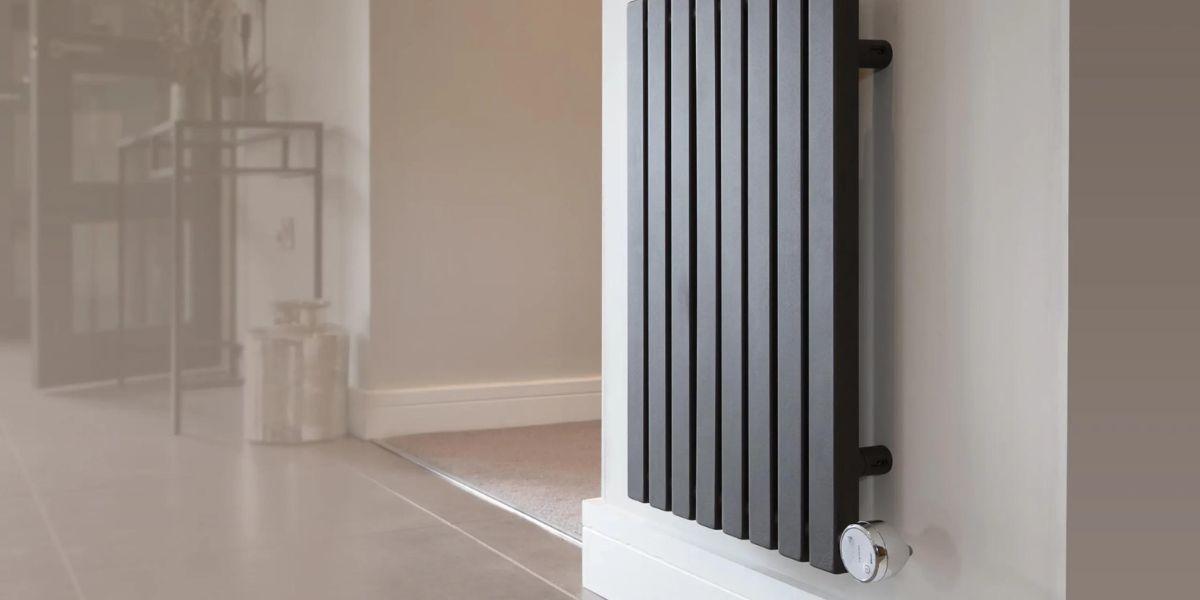
How to Know How Much an Electric Radiator Consumes?
Electric radiators have gained ground as a popular heating option in homes and commercial spaces due to their efficiency and versatility. This new climate control option for practically any space comes with various benefits and drawbacks, as well as different key aspects that must be considered to assess whether it is the most convenient option for the home.
When it comes to knowing how much an electric radiator consumes, a series of factors and details must be taken into account that not only concern the radiator itself but will also relate to the home itself.
Discovering the Operation of Electric Radiators
Electric radiators work by converting electricity into heat through electrical resistances. This heat is then radiated into the environment, raising the temperature of the room.
Each model has its own distinct characteristics, as well as different functionalities which we detail below, so you can get to know each one and choose the one that suits you best.
Advantages of Electric Radiators
Easy installation.
Instant heat.
Precise temperature control.
No special maintenance required.
Disadvantages of Electric Radiators
Higher operating costs compared to some heating systems.
They can overload the electrical grid if used excessively.
They generate dryness in the environment.
Discover a wide variety of efficient Electric Radiators, with different powers and designs.
How to Know How Much an Electric Radiator Consumes?
Once we have a clear understanding of the different types of electric radiators, we need to know how to calculate their consumption based on the power of each option available on the market.
You should know that the figures we will obtain are purely indicative and may not reflect the reality of your installation, as they will depend on various factors external to the electric radiator itself, which we detail below so that you can take them into account or correct them.
Now, with some simple mathematical calculations, it will be possible for us to know how much it will cost to heat our home and enjoy a pleasant winter at home, we will show you:
Practical example to calculate electrical consumption
If we take as an example an average electric radiator of 1500 W, which is usually the best seller at GroupSumi, we can break down the cost of keeping it on all night.
The 1500 watt (W) electric radiator consumes 1.5 kilowatt-hours (kWh) if it is kept on for one hour. At the average kWh price of 2023 in Spain (0.16 €/kWh), this results in a consumption of 0.24 € for every hour the electric radiator is kept on.
👉🏼 That is, having the radiator on all night (approximately 6 hours) for 30 days results in an electricity consumption of 270 kWh, which amounts to €43.20.
As we mentioned earlier, these are estimated figures, so we encourage you to check the price of the kW/h that you have contracted with your electricity company.
In any case, we recommend conducting a prior study of the technical characteristics of the radiator in question that you have or wish to acquire, as depending on the power, target temperature, home insulation, and other circumstances, the consumption will lean towards a higher economic cost or be reduced.
Factors that Influence the Energy Consumption of an Electric Radiator
There are several factors that can influence the energy consumption of an electric radiator:
Room Insulation: Good insulation reduces heat loss, which can mean less operating time for the radiator.
Outdoor Temperature: In colder climates, electric radiators may need more time to heat a room.
Use of the Thermostat: Using a thermostat to maintain a constant temperature helps avoid excessive operation and saves energy.
The electric radiator itself: We must consider that if the electric radiator we have at home is somewhat old, it may generate additional consumption due to inefficiency in its technology.
A large room: Electric radiators are designed for rather small spaces, so if we use them to heat large areas, it could be in vain.
Tips for saving electrical energy
Take advantage of the Programming
Most modern electric radiators have programming functions. Set the timer so that the radiator turns on and off automatically according to your needs. This way, you won't waste energy heating an empty room.
Regular Maintenance
Make sure your radiators are clean and in good working condition. The accumulation of dust and dirt can hinder heating efficiency.
In addition, they can produce unpleasant odors when that excess dust burns, and in very extreme cases, they can even cause fires.
We recommend performing preventive maintenance.
Insulation
Improve the insulation of your home. Use weatherstripping on doors and windows to prevent heat loss, and keep closed the rooms that you do not use or that are more difficult to heat, as heat escapes from any room in just a few minutes.
A well-insulated home will retain heat more effectively, which means you won't need the radiators to operate at full power or for all hours of the day.
Smart Thermostat
Consider installing a smart thermostat. These devices can control the temperature more precisely and adjust it automatically according to your preferences and the outside temperature.
There are a multitude of products on the market, from WiFi thermostats to wireless ones, which can help us have thorough control and save us money at the end of the month, while maintaining excellent climate control.
Zoning
If possible, it is important to divide your home into zones with independent thermostats. This way, you can heat only the areas you need and avoid heating the entire house.
Curtains and Blinds
During the night, close the curtains or blinds to prevent heat from escaping through the windows. During the day, open them to take advantage of sunlight and natural heat.
This simple trick is very helpful in homes with old aluminum carpentry, since new installations, thanks to double-glazed windows and similar technologies, are able to maintain the indoor temperature.